
Fun88 Security Standards Include SSL Encryption, 2FA and Continuous System Monitoring
Account and personal data security is a top concern for anyone joining an online platform. Fun88 deploys multiple layers of protection, from transit encryption and storage encryption to two-factor authentication and 24/7 monitoring, to reduce the risk of data leaks. This page details each measure, the incident response process, and users' rights over their personal data.
When you sign up for an online account, the first question is usually: how is my personal data protected? Fun88 — a betting platform operating since 2008, licensed by PAGCOR (Philippines) and the Isle of Man GSC — applies several separate layers of security for each stage: when data is in transit, when it is stored, and when users log into the system.

What data is collected and why
Before looking at how data is protected, it helps to understand the scope of information a betting site collects. This typically includes registration details (full name, date of birth, email address), identity verification information required by law, and deposit–withdrawal transaction history. The main purposes are verifying age, preventing fraud, and meeting reporting obligations to the licensing authority.
Fun88 commits not to share data with third parties without clear consent from the user, and not to use personal data for external advertising purposes. These two limits define how information may be used. Users can review the Privacy and Terms pages for the full set of related commitments.
How data is protected at each layer

The security system at Fun88 is split into two separate layers, corresponding to the two states of data.
Transit layer: All data exchanged between the user's device and the server is encrypted with 128–256-bit TLS/SSL, combined with IOVATION network security infrastructure. This means that even if someone intercepts the data stream midway, the content cannot be read in raw form.
Storage layer: Data is kept in data centers using AES-256 encryption, a symmetric standard that uses a 256-bit key. The difference between the two layers is practical: SSL protects data in motion, while AES-256 protects data at rest on storage drives.
| Measure | Scope of protection | Mechanism |
|---|---|---|
| TLS/SSL 128–256-bit | Data in transit | Encrypts the connection between user and server |
| AES-256 | Data stored in data centers | Symmetric encryption with a 256-bit key |
| 2FA verification | Account access | OTP code via email or text message |
| Firewall & DDoS protection | Network infrastructure | Blocks unauthorized access and denial-of-service attacks |
Beyond the two encryption layers, an automated intrusion detection system flags unusual activity, such as logins from unfamiliar devices or IP addresses never seen before. When something abnormal is detected, the system may request additional verification before allowing the session to continue. A next-generation firewall and DDoS mitigation solution operate at the network infrastructure level, stopping malicious requests before they reach the application servers.
How to enable two-factor authentication (2FA) to protect your account
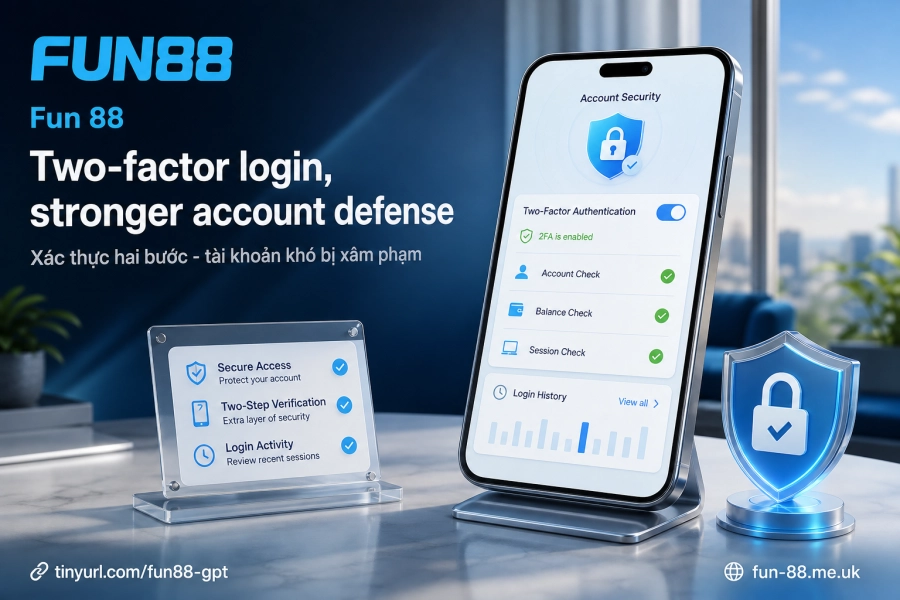
2FA is an extra layer of protection on top of your password. Even if the password is leaked, an attacker still needs the OTP code, which is only valid for a few dozen seconds, to log in successfully. Here are the steps to activate 2FA on your account:
- Log in to your account and go to Security Settings or Personal Profile.
- Select the Two-factor authentication option and choose the channel for receiving OTP: email or phone number.
- The system sends an OTP code to the selected channel. Enter the code to confirm and complete activation.
- From your next login onward, the system will request an OTP code whenever it detects a new session or an unrecognized device.
Note: OTP codes have a short validity period and can only be used once. If you don't receive a code, check your spam folder (for email) or contact the support team via 24/7 live chat.
Continuous monitoring and user rights over personal data
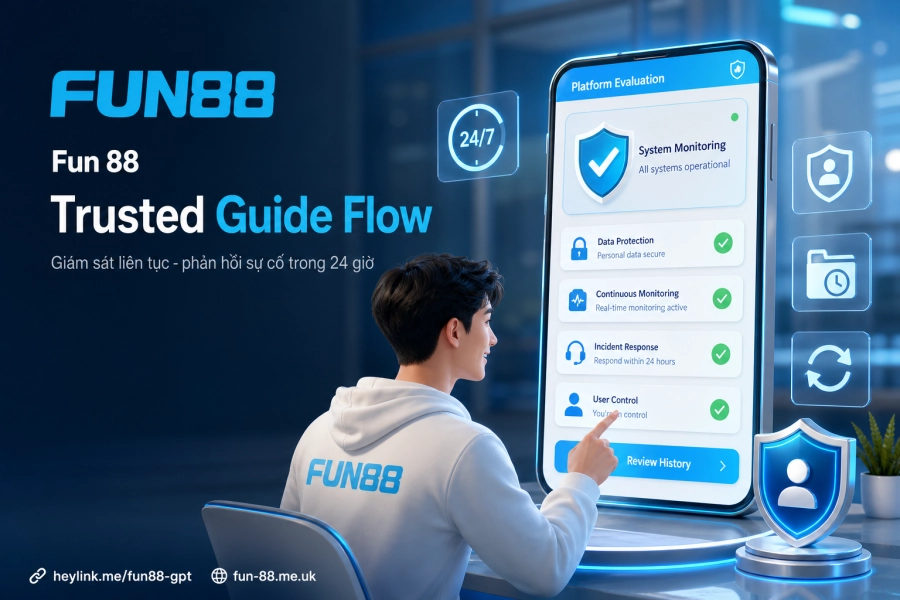
The platform's security engineers monitor the system 24/7, apply security patches regularly, and run comprehensive checks twice a month. If a data leak occurs, the commitment is to respond within a maximum of 24 hours and notify affected users. This is a defined incident response process with a set deadline, not a vague general promise.
As a user, you have the right to access the personal data the platform holds, correct inaccurate information, or request data deletion at any time. To exercise these rights, contact the customer support team directly. If you want to learn more about deposit and withdrawal processes and secured payment channels, see the Deposit and Withdrawal pages.
Overall, Fun88's security policy sets out three clear points: data is encrypted in both states (in transit and at rest), the incident handling process has a specific deadline (24 hours), and users retain control over their personal data. This is enough for newcomers to understand the level of protection before deciding to register.